About This Dodge Charger Build
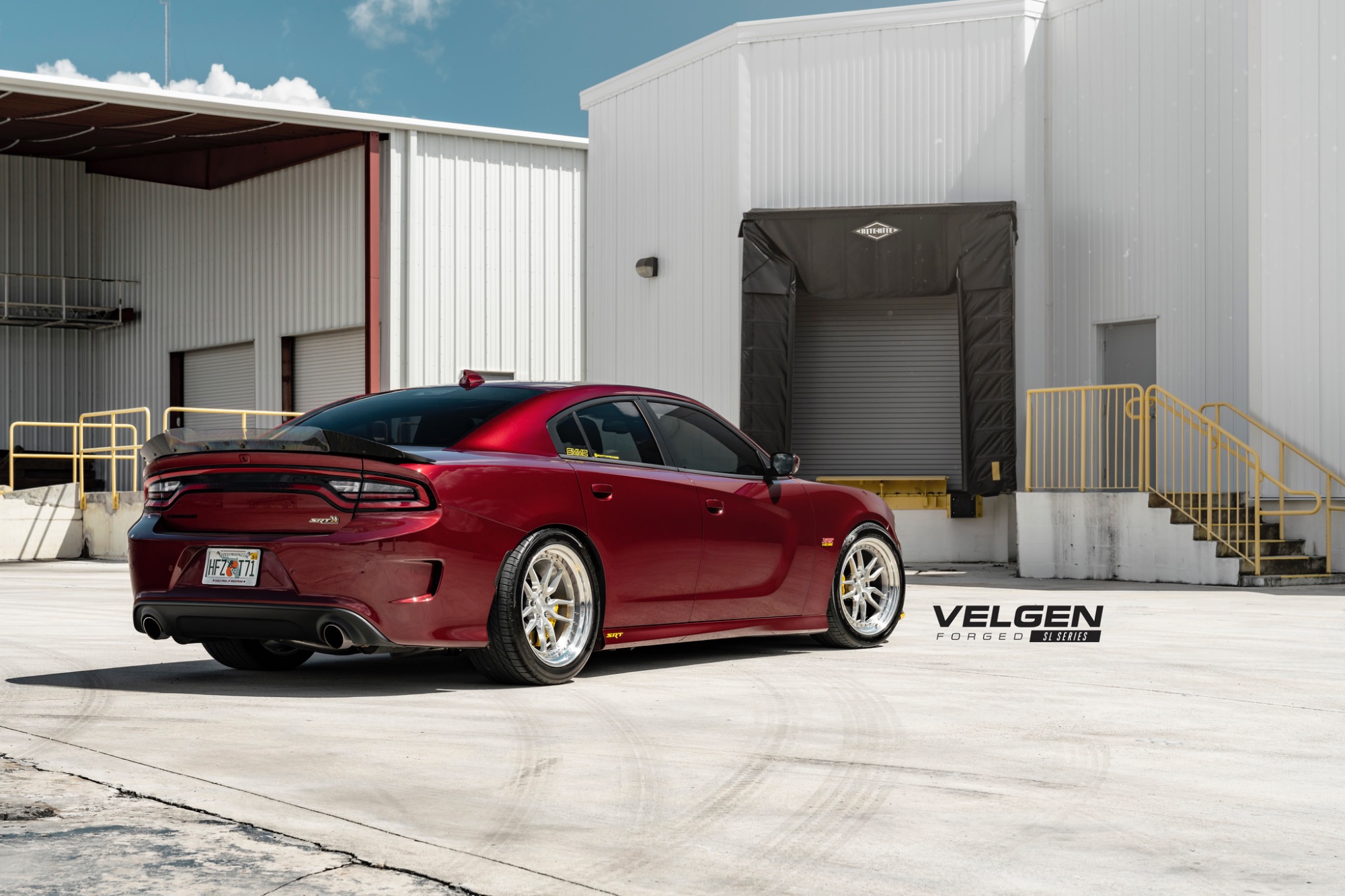
We love featuring real builds from real owners. This Burgundy Dodge Charger sits on a set of 20×10 and 20×11-inch Velgen SL-10 wheels, and the result speaks for itself.
The owner chose Velgen for a reason. This brand delivers serious quality and a design language that turns heads at every car meet. We see hundreds of Dodge Charger builds come through WheelFront every month, but this one stands out. The combination of the Burgundy exterior with the Velgen SL-10 creates a look that balances aggression with elegance.

Fitment Breakdown: Velgen SL-10 on the Dodge Charger
I stood right next to this Charger at the last meet, and the stance is perfect. We are looking at a 20x10 up front and a 20x11 in the back. These Velgen SL-10s fill the wheel wells exactly how a muscle car should.
The 20x10 front wheel uses an offset that clears the massive Brembo calipers without needing spacers. You get a flush look that tracks straight and stays predictable through corners. It feels planted and aggressive.
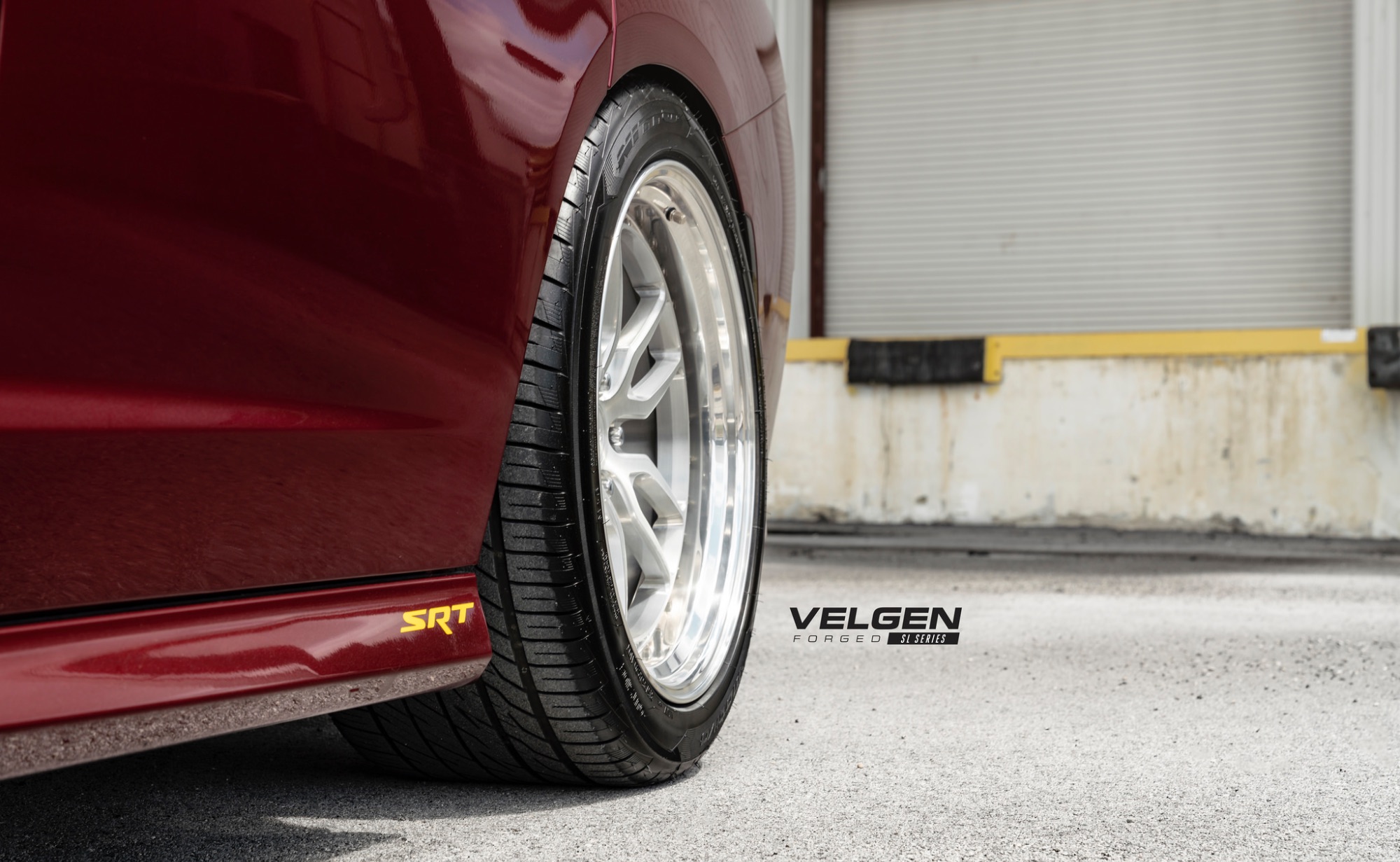
That 20x11 rear is where the magic happens for the Charger platform. The deep concave profile of the SL-10 design really pops here. We checked the inner clearance, and the barrel clears the suspension arms by just enough.
You have to respect the hub bore fitment here. These wheels are hub-centric for the Dodge platform, which eliminates those nasty steering wheel vibrations at highway speeds. It is a clean, factory-style mounting interface.
The tire setup is a staggered 275/40 up front and a 315/35 out back. This meaty rubber choice avoids the stretched look that ruins the lines of a big sedan like this. The sidewall gives you enough cushion to actually drive the car hard.
Watch out for the inner fender liner if you drop the car too low. We noticed some light rubbing potential under full lock at the front. A quick heat gun treatment on the plastic liners solves that problem instantly.
The spoke design on the SL-10 is genius because it hides the brake dust while showing off the hardware. The way the spokes extend to the edge of the rim makes the wheel look bigger than a standard 20-inch hoop. It just works.
What We Recommend for Dodge Charger Owners
If you want this look, stick to the 20-inch diameter. Anything smaller gets swallowed by the Charger's huge body panels. You need the 10-inch width up front to keep the turn-in sharp.
Always prioritize a staggered setup if you have a V8 model. You need that extra rubber in the rear to put the power down to the pavement. A square setup is fine for rotations, but it kills the aesthetic appeal of a Charger.
We see way too many guys run offsets that are too aggressive. You do not need poke; you need a flush fitment that sits inside the fender. Measure your offsets twice before you pull the trigger on a custom set.
Avoid cheap spacers if you can possibly help it. We have seen too many failed hub studs from thick spacers that move the wheel mounting point too far out. Choose a custom offset that fits the car from the factory.
Think about your tire brand carefully when you go with a 315 rear. Not all 315 tires are built the same, and some run wider than others. We love the way this build chose a performance tire that keeps the sidewall square rather than bubbly.
Style and Build Analysis
The Brushed Clear finish is a bold choice against that deep Burgundy paint. It creates a high-end contrast that feels sophisticated rather than loud. You get a metallic shimmer that changes depending on how the sun hits the car.
Most people go with black wheels, but that hides the detail of the SL-10 spokes. The Brushed Clear highlights every machined line of the wheel. It makes the car look like a modern grand tourer instead of just another street car.
The proportions here are spot on for the Charger chassis. The wheels bring out the wide shoulders of the rear fenders. It looks like the car was designed to wear these wheels from the factory floor.
We have seen hundreds of Chargers, but this one feels distinct. It avoids the gimmicky trends and focuses on clean lines and proper sizing. It is a masterclass in how to build a car that still looks good five years from now.
When the car is sitting static, the concave profile draws your eye toward the center. It gives the impression of speed even when the car is parked. This is how you build a cruiser that actually turns heads.
Why We Love This Build
This Burgundy beast hits different when the light catches the Brushed Clear finish. You walk around the car and notice how the 315 rear tires give it that menacing, wide-track stance. It is not trying too hard; it just looks powerful and refined.
We love this build because it honors the Charger's roots while elevating the style. The wheels feel like jewelry for a car that usually wears heavy, factory rubber. It makes the whole package look expensive and deliberate.
You look at this car and you just want to grab the keys and hit the highway. It has the perfect balance of show and go. This is how you build a Charger the right way.
Full Specs Breakdown
Here is exactly what this owner is running. We break down every detail so you can replicate this build or use it as a starting point for your own setup.
- Car Make & Model: Dodge Charger
- Vehicle Color: Burgundy
- Wheel Brand & Model: Velgen SL-10
- Wheel Size: 20×10 and 20×11
- Offset: Contact dealer
- Wheel Finish: BRUSHED CLEAR
- Tires: 275/40/20 and 315/35/20
Before You Buy: Fitment Checklist
We talk to Dodge Charger owners every day. These are the questions we hear most before they pull the trigger on new wheels.
Will 20×10 and 20×11-inch wheels fit my Dodge Charger? Yes, but fitment depends on width, offset, and tire size working together. A wrong offset means rubbing. A wrong tire size means poor handling. Always verify all three.
Do I need to modify my fenders? That depends on your offset and suspension. A conservative offset with stock ride height usually fits without modification. Go aggressive and you may need to roll or pull your fenders.
Can I daily-drive this setup? Absolutely. Thousands of Dodge Charger owners run 20×10 and 20×11-inch wheels every day. The key is choosing the right tire with enough sidewall to absorb road imperfections.