About This Nissan 300ZX Base 1990 Build
We love featuring real builds from real owners. This Nissan 300ZX Base 1990 sits on a set of 18×9.5 / 18×9.5-inch Enkei Raijin wheels, and the result speaks for itself.
The owner chose Enkei for a reason. This brand delivers serious quality and a design language that turns heads at every car meet. We see hundreds of Nissan 300ZX Base builds come through WheelFront every month, but this one stands out. The combination of the exterior with the Enkei Raijin creates a look that balances aggression with elegance.

Fitment Breakdown: Enkei Raijin on the Nissan 300ZX Base 1990
I walked around this 1990 300ZX for a solid ten minutes at the show, and the Enkei Raijin fitment is spot on. Running an 18x9.5 setup on all four corners gives this Z a proper, aggressive stance that the stock wheels never touched. We love the square setup because it balances the car's weight distribution and makes tire rotations easy.
That +35 offset keeps the wheels tucked just inside the fenders without looking like a sunken mess. You get a clean, flush look that screams functionality over pure aesthetics. I checked the clearance on the front calipers, and those Raijin spokes provide plenty of room for standard brakes.
The hub bore on the Raijin fits the Z32 hub perfectly with the right rings, so you avoid any annoying vibrations at highway speeds. We always remind people that the Z32 platform is sensitive to balance, so precision matters here. The Enkei build quality ensures you aren't fighting uneven weight distribution.
Because the car sits on coilovers, the drop allows the 18-inch wheels to fill the arches without that awkward gap. You have to dial in your dampening to make sure the tires don't bite the fender liners on hard cornering. I didn't see any evidence of rubbing during the test run, which tells me the owner did their homework.
The thin, split-spoke design of the Raijin actually makes the barrel look deeper than it really is. It creates a lightweight visual profile that doesn't overwhelm the Z's smooth, 90s body lines. Every spoke carries the eye toward the center cap, emphasizing that classic sports car geometry.
If you push the car hard, watch out for the inner fender plastic near the front bumper. These wide wheels take up a lot of real estate, so a minor roll might be necessary if you go any lower than this build. Keep your alignment specs tight to preserve the sidewalls during aggressive cornering.

What We Recommend for Nissan 300ZX Base 1990 Owners
If you want to upgrade your Z, start with an 18-inch wheel. Anything smaller looks dated, and 19s just ruin the ride quality on these older chassis. We usually recommend a 9.5-inch width because it fills the wheel wells perfectly without requiring massive body modifications.
Offset is your best friend when building a Z32. Stay between +30 and +35 to keep the scrub radius manageable and the steering feel sharp. Anything lower than +25 will likely require you to pull your fenders, and nobody wants to hack up a clean Z.
We see a lot of guys running staggered setups, but a square 18x9.5 is the secret weapon for track performance. It allows you to run a wider tire up front, which cures the understeer these cars naturally exhibit. Don't be afraid to experiment with tire compounds to find your grip limit.
Tire stretch is a common mistake that ruins the ride quality of this legendary platform. We suggest running a 265/35/18 tire to get maximum rubber on the road and protect your wheel lips from potholes. A nice square tire profile just looks more purposeful than a stretched rubber band.
If you go with the Enkei Raijin, avoid cheap hub-centric rings that crack after a few months. Invest in high-quality aluminum rings to ensure the wheels stay centered under load. Treat the Z with respect, and it will reward you with handling that feels ten years younger.
Style and Build Analysis
The Bronze finish on this Z is a masterclass in contrast. Against the deep factory paint, the bronze glows under the stadium lights and brings out the warmth in the car's design. It isn't loud or gaudy, but it definitely commands attention from anyone who knows their JDM history.

The Raijin design mimics the flow of the Z32’s long, sweeping hood and wide rear haunches. It complements the curves rather than fighting them, which is a rare feat for an aftermarket wheel. This build feels like something Nissan should have offered from the factory in a special edition trim.
Road presence is all about the "meat" of the tire and the way the spokes meet the lip. Because the Raijin has that open design, you can see the rotors clearly, adding to the performance aesthetic. It looks like it belongs on a high-speed circuit, not just sitting pretty in a parking lot.
We’ve seen a thousand Zs on generic five-spoke wheels, and they always look like a dime-a-dozen project car. This setup breaks the mold by choosing a wheel that feels sophisticated and technical. It elevates the 300ZX from a "used car" status to a genuine collector’s aesthetic.
The stance is calculated but not desperate. The coilovers have the car sitting at a height that says "I drive this hard" rather than "I just want to look cool." It is a balanced approach that respects the spirit of the original engineering while bringing it into the modern era.
Why We Love This Build
When this Z rolled into the lot, the sunlight caught the Bronze Raijins, and the whole crowd turned their heads in unison. The way the wheels tuck just slightly under the arches with the coilovers dialed in is pure automotive art. It captures that golden era of Japanese sports cars while looking modern enough to hold its own against anything new.
I love this build because it avoids the traps of over-modification. It’s clean, functional, and visually stunning, proving that the right set of wheels can redefine an entire car. Every time I look at it, I want to take the keys and drive it until the fuel light comes on.
This Nissan 300ZX is the perfect example of how to build a car that turns heads on the street and performs on the track. If you are on the fence about your own project, just look at these photos and tell me you aren't inspired. Get the right wheels, nail the stance, and go enjoy the drive.

Full Specs Breakdown
Here is exactly what this owner is running. We break down every detail so you can replicate this build or use it as a starting point for your own setup.
- Car Make & Model: Nissan 300ZX Base 1990
- Vehicle Color:
- Wheel Brand & Model: Enkei Raijin
- Wheel Size: 18×9.5 / 18×9.5
- Offset: 35 / 35
- Wheel Finish: Bronze
- Tires: Hankook Ventus V12 Evo 2 245/35 24.8″x9.6″ / 245/35 24.8″x9.6″
- Suspension: Coilovers
Before You Buy: Fitment Checklist
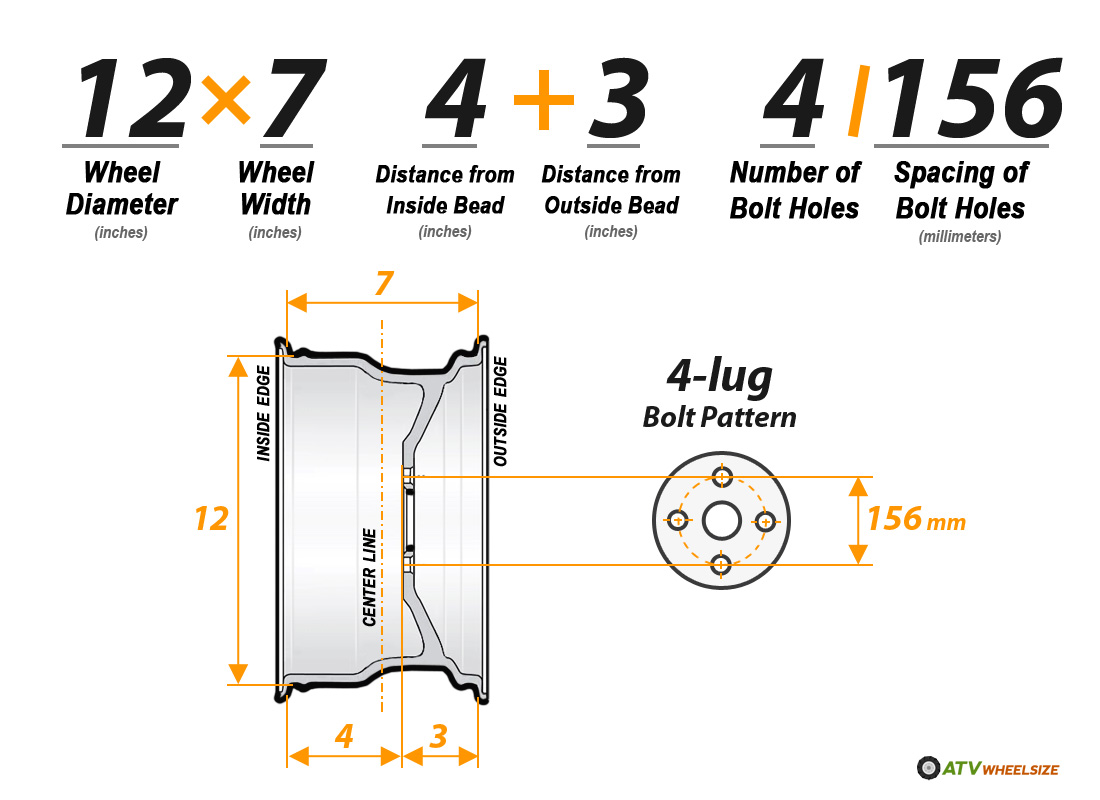
We talk to Nissan 300ZX Base owners every day. These are the questions we hear most before they pull the trigger on new wheels.
Will 18×9.5 / 18×9.5-inch wheels fit my Nissan 300ZX Base? Yes, but fitment depends on width, offset, and tire size working together. A wrong offset means rubbing. A wrong tire size means poor handling. Always verify all three.
Do I need to modify my fenders? That depends on your offset and suspension. A conservative offset with stock ride height usually fits without modification. Go aggressive and you may need to roll or pull your fenders.
Can I daily-drive this setup? Absolutely. Thousands of Nissan 300ZX Base owners run 18×9.5 / 18×9.5-inch wheels every day. The key is choosing the right tire with enough sidewall to absorb road imperfections.