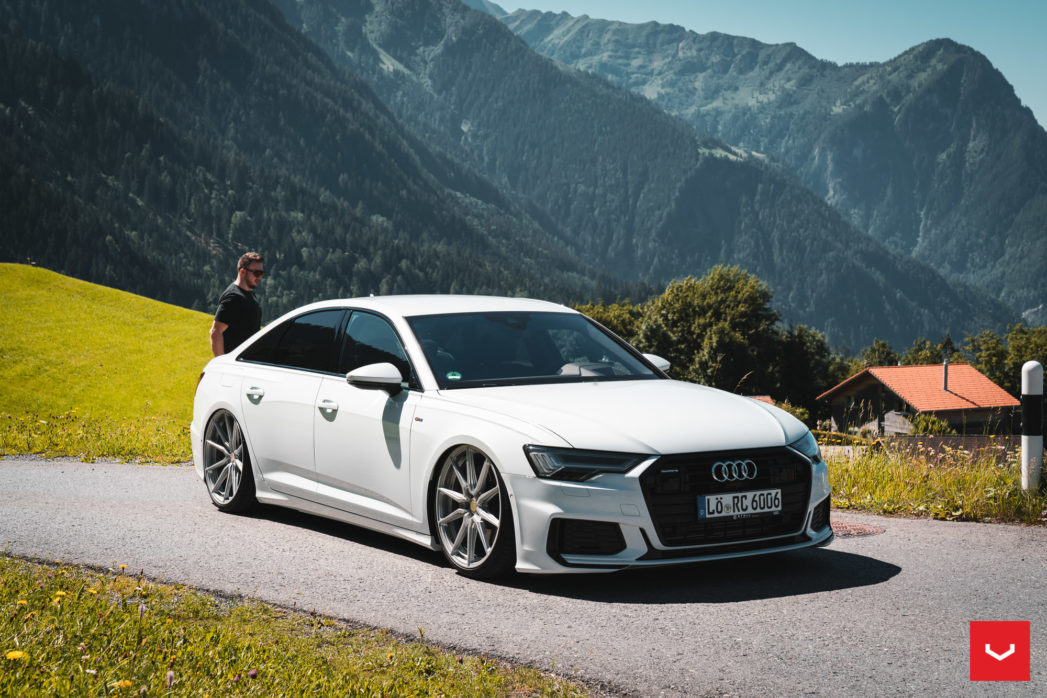
About This Volkswagen Golf GTI GLS 2000 Build
We love featuring real builds from real owners. This Volkswagen Golf GTI GLS 2000 sits on a set of 18×8.5 / 18×9.5-inch Japan-Racing Jr3 wheels, and the result speaks for itself.
The owner chose Japan-Racing for a reason. This brand delivers serious quality and a design language that turns heads at every car meet. We see hundreds of Volkswagen Golf GTI GLS builds come through WheelFront every month, but this one stands out. The combination of the exterior with the Japan-Racing Jr3 creates a look that balances aggression with elegance.

Fitment Breakdown: Japan-Racing Jr3 on the Volkswagen Golf GTI GLS 2000
I walked around this MK4 GTI for an hour just to soak in the stance. Running an 18x8.5 up front and 18x9.5 out back transforms the entire silhouette. The staggered width gives it a planted, aggressive look that the factory setup desperately lacks.
The 35 offset in the front puts the wheel right where it needs to be. It clears the stock calipers with room to spare for a big brake kit upgrade later. I love how the spokes don't look tucked or sunken.
That 30 offset on the rear 9.5-inch wheels is the real magic. It pushes the rim edge out toward the fender lip perfectly. We see a ton of MK4s that look weak, but this one sits flush.
You have to respect the hub bore clearance here. These JR3s fit the VW 5x100 pattern without any annoying adapter drama. A clean hub-centric ring makes all the difference for a vibration-free ride.
The coilover setup makes this fitment possible. Without dropping the ride height, this setup would look like a 4x4. The coilovers pull the camber in just enough to tuck the top of the tire.

Watch out for that rear fender liner if you hit a dip. A little heat gun work or a light roll goes a long way. You don't want to shred expensive rubber on a sharp metal edge.
The barrel lip depth on those 9.5-inch rears is deceptive. It catches the eye the second you turn the corner. It provides that classic Euro-tuning aesthetic that defined the early 2000s scene.
What We Recommend for Volkswagen Golf GTI GLS 2000 Owners
If you want to replicate this, stay within the 18-inch diameter range. Going up to 19s kills the ride quality and ruins the handling geometry on this platform. Stick to 18s for the best balance of looks and performance.
For offsets, keep your numbers between 30 and 35. Anything higher pushes the wheel into the strut housing. Anything lower forces you to roll the fenders until they are paper thin.
I always suggest a square setup if you prioritize daily driving. Running the same width at all four corners lets you rotate your tires properly. It saves you serious cash in the long run.

This build proves that staggered is king for shows, though. The wider rear wheels fill the arches in a way a square setup simply cannot. Just be ready to handle the alignment specs properly.
Do not skip out on quality tires for a build like this. Stretching cheap rubber over a 9.5-inch wheel is a recipe for a blowout. Buy a reputable brand that handles the sidewall tension safely.
Avoid massive spacers if you can help it. They put extra stress on your wheel bearings and lead to premature failure. Get the offset right from the start and skip the hardware store shims.
Style and Build Analysis
The Hyperblack finish is the star of this show. It shifts from a gunmetal grey to a deep, dark charcoal depending on the angle. It gives the car a moody, sophisticated vibe that silver wheels just can’t touch.
I like how the JR3 design borrows from classic racing heritage. The six-spoke layout is timeless and incredibly easy to clean. It complements the rounded, organic lines of the MK4 body perfectly.

The stance isn't "over the top" drift-missile status, but it’s intentional. Every line of the car flows directly into the wheel arch. It looks like a factory prototype that escaped the design studio.
We see plenty of builds with gaudy, chrome-plated wheels that distract from the car. This GTI is different because the wheels enhance the factory design language. The proportion of rubber to metal is spot on.
Road presence is all about confidence in your choices. This car looks fast even when it is parked at a coffee shop. It tells everyone you know exactly what you are doing with your build.
Why We Love This Build
This GTI hits different because it feels finished and honest. The way the Hyperblack finish glows under the parking lot lights makes the car look like a predator. Every time I see those deep rear barrels, I am reminded why we love the MK4 platform.
It captures the golden era of tuning while feeling totally relevant today. The stance is aggressive without being impractical or sloppy. It is the kind of build that makes you look back every time you walk away.
We don't see many cars this clean anymore. It respects the history of the GTI while adding a modern edge. Go get your own set and start turning heads on the street.

Full Specs Breakdown
Here is exactly what this owner is running. We break down every detail so you can replicate this build or use it as a starting point for your own setup.
- Car Make & Model: Volkswagen Golf GTI GLS 2000
- Vehicle Color:
- Wheel Brand & Model: Japan-Racing Jr3
- Wheel Size: 18×8.5 / 18×9.5
- Offset: 35 / 30
- Wheel Finish: Hyperblack
- Tires: Nexen NFera SU1 225/40 25.1″x8.9″ / 225/40 25.1″x8.9″
- Suspension: Coilovers
Before You Buy: Fitment Checklist
We talk to Volkswagen Golf GTI GLS owners every day. These are the questions we hear most before they pull the trigger on new wheels.
Will 18×8.5 / 18×9.5-inch wheels fit my Volkswagen Golf GTI GLS? Yes, but fitment depends on width, offset, and tire size working together. A wrong offset means rubbing. A wrong tire size means poor handling. Always verify all three.
Do I need to modify my fenders? That depends on your offset and suspension. A conservative offset with stock ride height usually fits without modification. Go aggressive and you may need to roll or pull your fenders.
Can I daily-drive this setup? Absolutely. Thousands of Volkswagen Golf GTI GLS owners run 18×8.5 / 18×9.5-inch wheels every day. The key is choosing the right tire with enough sidewall to absorb road imperfections.